

Acupuncture in Crediton, Devon
Traditional acupuncture at West Aish Farm, mid-Devon and online UK-wide

Acupuncture is one of the oldest and most refined systems of medicine in the world. At its heart is a simple idea: that the body has an innate capacity to heal itself, and that acupuncture, through the precise placement of fine needles at specific points helps restore the conditions in which that healing can happen.
I offer traditional acupuncture rooted in Chinese medicine, where every treatment begins with a thorough understanding of you as a whole person, not just your symptoms. No two treatments are the same, because no two people are the same.
What can acupuncture treat?
Acupuncture has a remarkably wide clinical reach. I regularly use it to treat:
Pain
Both acute and chronic - back pain, neck and shoulder pain, hip pain, sciatica, joint pain, sports injuries, fibromyalgia, trigeminal neuralgia and other nerve pain conditions.
Acupuncture is particularly effective where pain has become long-term and conventional approaches
have plateaued.
Women's health and menopause
Hot flushes, night sweats, mood changes, fatigue, brain fog, irregular or painful periods, endometriosis
and hormonal imbalances where blood tests are normal but something clearly isn't right. This is a particular area of clinical focus in my practice.
Anxiety, stress and fatigue
Acupuncture has a profound effect on the nervous system. Many patients find it deeply regulating,
helping to calm an overactive stress response, improve sleep and restore a sense of groundedness that has been lost.
Digestive disorders
IBS, bloating, constipation, diarrhoea, acid reflux and other gut disorders respond well to acupuncture, often in combination with Chinese herbal medicine.
Migraines and headaches
Including chronic and complex presentations where triggers are multiple or shifting.
Auto-immune conditions
Where the immune system has become dysregulated, acupuncture works to support the body's overall balance rather than suppressing symptoms in isolation.
Adjunctive care during cancer treatment
Supporting patients through chemotherapy and radiotherapy and helping to manage side effects,
maintain energy and improve quality of life.
Acupuncture for prevention and long-term wellbeing
In classical Chinese medicine, the most skilled physician was not the one who treated illness, it was the
one who prevented it from arising in the first place. Regular acupuncture works to maintain the body's balance before dysfunction takes hold, catching the subtle shifts in energy, sleep, digestion and mood that often precede more serious conditions.
Many of my patients come not because something is badly wrong, but because they want to stay well and manage the cumulative effects of a demanding life, supporting their immunity through seasonal changes, or simply maintaining a level of vitality and resilience that modern life tends to erode.
This kind of ongoing, maintenance-based care is one of the most rewarding aspects of practice, and one of the things that makes Chinese medicine genuinely different from a system that only responds to crisis.
Please note that this is not an exhaustive list. If you're not sure whether acupuncture might help your particular situation, please get in touch.
What to expect
Your first session begins with a detailed consultation. I'll ask about your main concern but also about your sleep, digestion, energy, emotional life and medical history.
This is because in Chinese medicine, everything is connected and context matters enormously.

Treatment itself is gentle. The needles are extremely fine and most people are surprised by how little they feel. Many patients find the sessions deeply relaxing, sometimes falling asleep on the table.
Sessions last approximately 60–90 minutes for an initial appointment and around 60 minutes for follow-ups. I typically recommend a course of 4–6 sessions to begin with, though many patients continue beyond that for ongoing support and maintenance.
Additional techniques: cupping, gua sha, hot stones and moxibustion
Depending on your condition and presentation, I may also incorporate additional traditional techniques alongside acupuncture. I'll always explain what I'm using and why before we begin.


Cupping
Cupping uses small glass or plastic cups placed on the skin to create gentle suction, drawing circulation to the surface and releasing tension in the underlying tissue. It's particularly effective for muscular pain, tightness across the back and shoulders, and respiratory conditions. Many patients find it deeply satisfying — a kind of reverse massage.
Gua sha
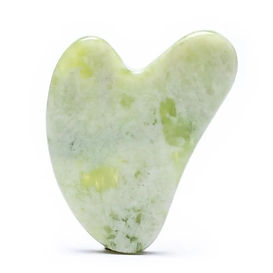
Gua sha involves applying gentle pressure to the skin using a smooth tool (a Jade stone) to stimulate circulation and release stagnation in the tissues. It's used for pain, tension, inflammation and immune support, and has a long history of use in Chinese households as well as clinical practice.

Moxibustion
Moxibustion, or moxa, involves burning dried mugwort (Artemisia) near or on specific acupuncture points to warm, nourish and stimulate. It's particularly valuable for conditions involving cold, deficiency or poor circulation, and is a cornerstone of classical Chinese medicine treatment.
Hot stones
Hot stone therapy uses smooth, heated basalt stones applied to the body to warm the channels, relax deep muscular tension and nourish those who are depleted or constitutionally cold. I incorporate stones into treatment where they're clinically indicated — particularly in winter, or for patients who are deficient, exhausted or simply in need of deep warmth.
